Rama Ekadashi
रमा एकादशी
Thursday, 5 November 2026
In 69 days
What is Rama Ekadashi?
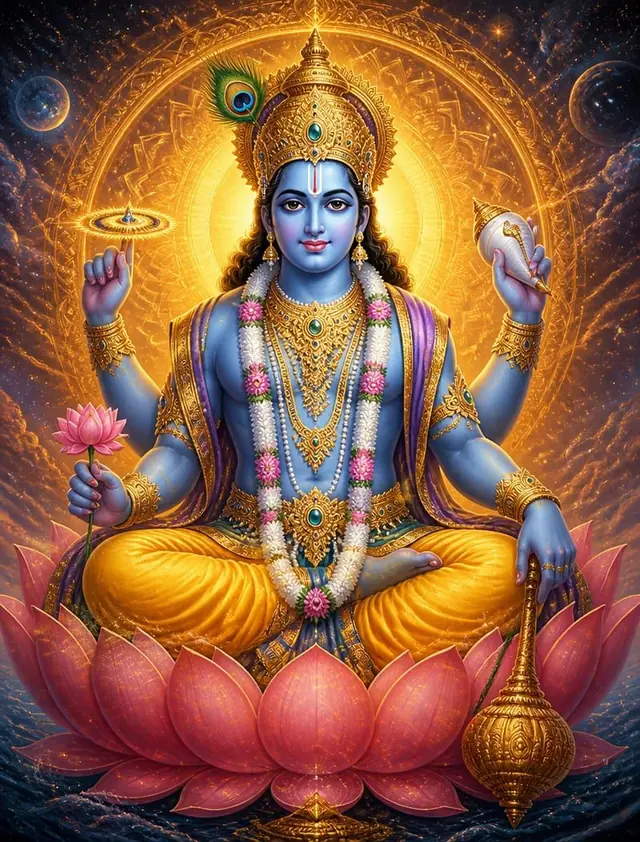
Grants Vishnu's grace; the story of King Muchukunda and his daughter Chandrabhaga.
Rama Ekadashi Vrat Katha
Retold by One Mandir · verified 2026-08-06 · 5 sources
Arjuna asked, "O Shri Krishna! Please share with me the story of the Ekadashi that occurs during Krishna Paksha in the month of Kartika. What is the name of this Ekadashi and which deity is worshipped on this day? What are the benefits of observing the fast on this Ekadashi?"
Lord Shri Krishna said, "O Arjuna! The name of the Ekadashi that occurs during the Krishna Paksha in the month of Kartika is Rama Ekadashi. Observing this fast removes all sins."
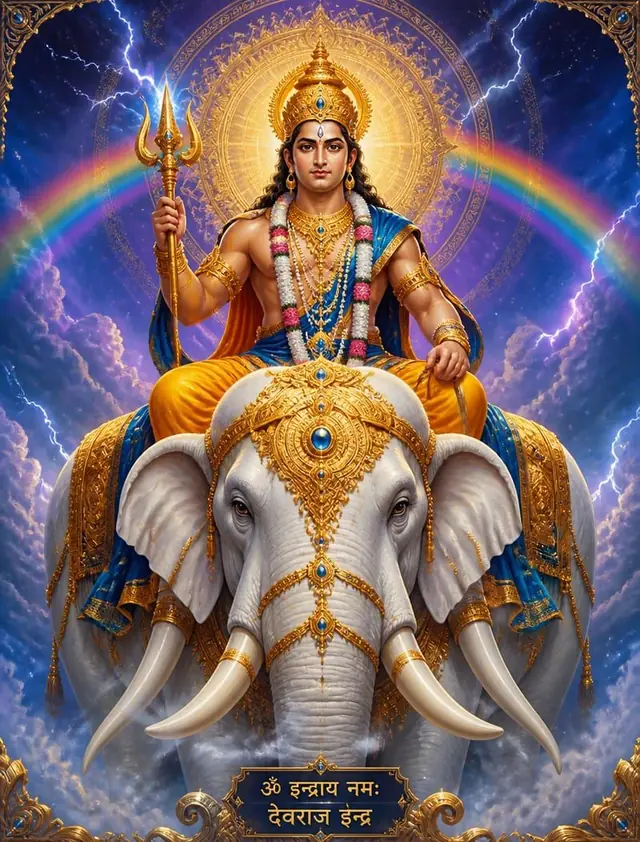
In ancient times there was a king named Muchukunda, whose friends were Indra, Varuna, Kubera and Vibhishana. He was known for his unwavering truthfulness and his devotion to Lord Vishnu, and his kingdom was entirely free of troubles. He had a daughter named Chandrabhaga, who was married to Shobhana, the son of King Chandrasena. King Muchukunda observed the Ekadashi fast with great discipline, and everyone in his kingdom followed the practice strictly.
Once Shobhana came to his in-laws' house in the month of Kartika, at the time of the highly meritorious Rama Ekadashi, when everyone kept the fast. Chandrabhaga was anxious that her husband might be too weak to observe it, especially since her father had made the fast binding on all. The king, with his son-in-law present, proclaimed that everyone in the kingdom must strictly keep the Ekadashi fast, and when Dashami came the announcement went through the kingdom.
Hearing it, Shobhana went to his wife and said, "O dear! Please suggest a solution for me, because I cannot fast. If I attempt to fast, I will surely die."
Chandrabhaga replied, "O dear! In my father's kingdom, no one is allowed to eat on the day of Ekadashi. Even the elephants, horses, camels, and other animals don't consume grass, grains, or water, so how can humans eat? If you cannot fast, you should go somewhere else. If you stay here, you will definitely have to observe the fast."
Shobhana said, "O dear! Your suggestion is valid, but I will not go anywhere else, even if it means I have to fast. I am determined to observe this fast, regardless of the outcome. After all, who can avoid what is written in destiny?"
With everyone else he kept the fast, and grew extremely distressed from hunger and thirst. When the sun set, the night of vigil began, and it brought him unbearable suffering; before sunrise the next day he died of hunger and thirst.
The king had Shobhana's body released into the water, and instructed his daughter not to become a Sati but to keep her faith in Lord Vishnu. Following her father's instruction, Chandrabhaga did not become a Sati; she remained at her father's house and continued to observe the Ekadashi fast.
By the merit of that one Rama Ekadashi, Shobhana was raised from the water, and by the grace of Lord Vishnu was granted a magnificent city named Devapura on Mount Mandarachala, filled with wealth and free from enemies. Shobhana was made king of Devapura. His palace was adorned with pillars of gems and gold; dressed in beautiful clothes and ornaments he sat upon a throne of gold and precious stones, while Gandharvas and Apsaras danced and sang his praise, and he shone with the majesty of another Indra.
At that time a Brahmin named Soma Sharma, of the city of Muchukunda, set out on pilgrimage. Wandering, he came into King Shobhana's kingdom and met him there. Recognising him as the king's son-in-law, the Brahmin approached, and Shobhana rose from his throne to ask after the well-being of his father-in-law and of his wife Chandrabhaga.
Shobhana told him that this splendid city had come to him from a single Rama Ekadashi kept without faith, and that because he had kept it under compulsion rather than with devotion, the city was impermanent. He asked the Brahmin to tell Chandrabhaga what he had seen. When Soma Sharma returned and told her, she went to her husband, and by the merit of the many Ekadashis she herself had kept with devotion, the city was made permanent, and the two lived there in happiness.
Rama Ekadashi destroys sin so completely that it bore fruit even for one who kept it unwillingly; kept with devotion, it grants the unfailing grace of Lord Vishnu.
This katha has been edited by One Mandir for readability only. The names, numbers, places, sequence of events and the words spoken by the deities and sages are reproduced as they appear in the sources below — nothing has been added, removed or reinterpreted. Compiled from publicly available published sources and cross-verified across at least three of them. Please read the original texts at the links provided.
यह कथा केवल पठनीयता के लिए वन मंदिर द्वारा संपादित की गई है। नाम, संख्याएँ, स्थान, घटनाओं का क्रम तथा देवताओं और ऋषियों के कहे गए वचन नीचे दिए गए स्रोतों के अनुसार ही हैं — कुछ भी जोड़ा, हटाया या बदला नहीं गया है। सार्वजनिक रूप से उपलब्ध प्रकाशित स्रोतों से संकलित तथा कम से कम तीन स्रोतों से सत्यापित। कृपया दिए गए लिंक पर मूल पाठ अवश्य पढ़ें।
- Drik Panchangdrikpanchang.comtext follows this
- ISKCON Desire Treeiskcondesiretree.comprimary source
- Sandipanisandipani.orgprimary source
- Prokeralaprokerala.comcorroborating
- Rudraksha Ratnarudraksha-ratna.comcorroborating
Puja Vidhi
- 1Dashami (day before): one satvik meal before sunset; no grains from evening.
- 2Ekadashi morning: bathe, then take the sankalp (vow) before Vishnu.
- 3Offer tulsi leaves, fruit, incense, a ghee lamp and yellow flowers.
- 4Chant 'Om Namo Bhagavate Vasudevaya'; read the Ekadashi katha.
- 5Fast per your capacity — nirjala (waterless), phalahar (fruit), or one satvik meal.
- 6Jagaran — stay awake through the night in bhajan and kirtan.
- 7Dwadashi: break the fast within the parana window, after giving food in charity.
क्या करें · Do's
- सूर्योदय से पूर्व स्नान और संकल्प।
- तुलसी दल अर्पित करें — किंतु एकादशी के दिन तुलसी न तोड़ें (एक दिन पूर्व तोड़ लें)।
- विष्णु सहस्रनाम या 'ॐ नमो भगवते वासुदेवाय' का जप।
- एकादशी कथा का सस्वर पाठ।
- अन्न, वस्त्र या दक्षिणा का दान।
- सत्य, संयम और क्षमा का पालन।
क्या न करें · Don'ts
- अन्न वर्जित — विशेषकर चावल का पूर्ण त्याग।
- प्याज, लहसुन और मांसाहार वर्जित।
- मद्य व नशा वर्जित।
- एकादशी के दिन तुलसी पत्र न तोड़ें।
- दिवा-शयन (दिन में सोना) वर्जित।
- क्रोध, कटु वचन, निंदा और कलह से बचें।
- बाल/नाखून न काटें; क्षौर कर्म वर्जित।
- पारण मुहूर्त के बाहर व्रत न खोलें।